
New wedding decor styling trends for 2026: a global perspective
Wedding décor in 2026 is no longer about simply making things “look beautiful.” It’s about creating a fully immersive, intentional environment—one that reflects personality, place, and experience.
Across the globe, from European destination weddings to U.S. editorial-style celebrations, the direction is clear: weddings are becoming more design-led, emotionally driven, and less bound by tradition.
So what are the defining décor trends shaping weddings worldwide in 2026 (and moving into 2027)?
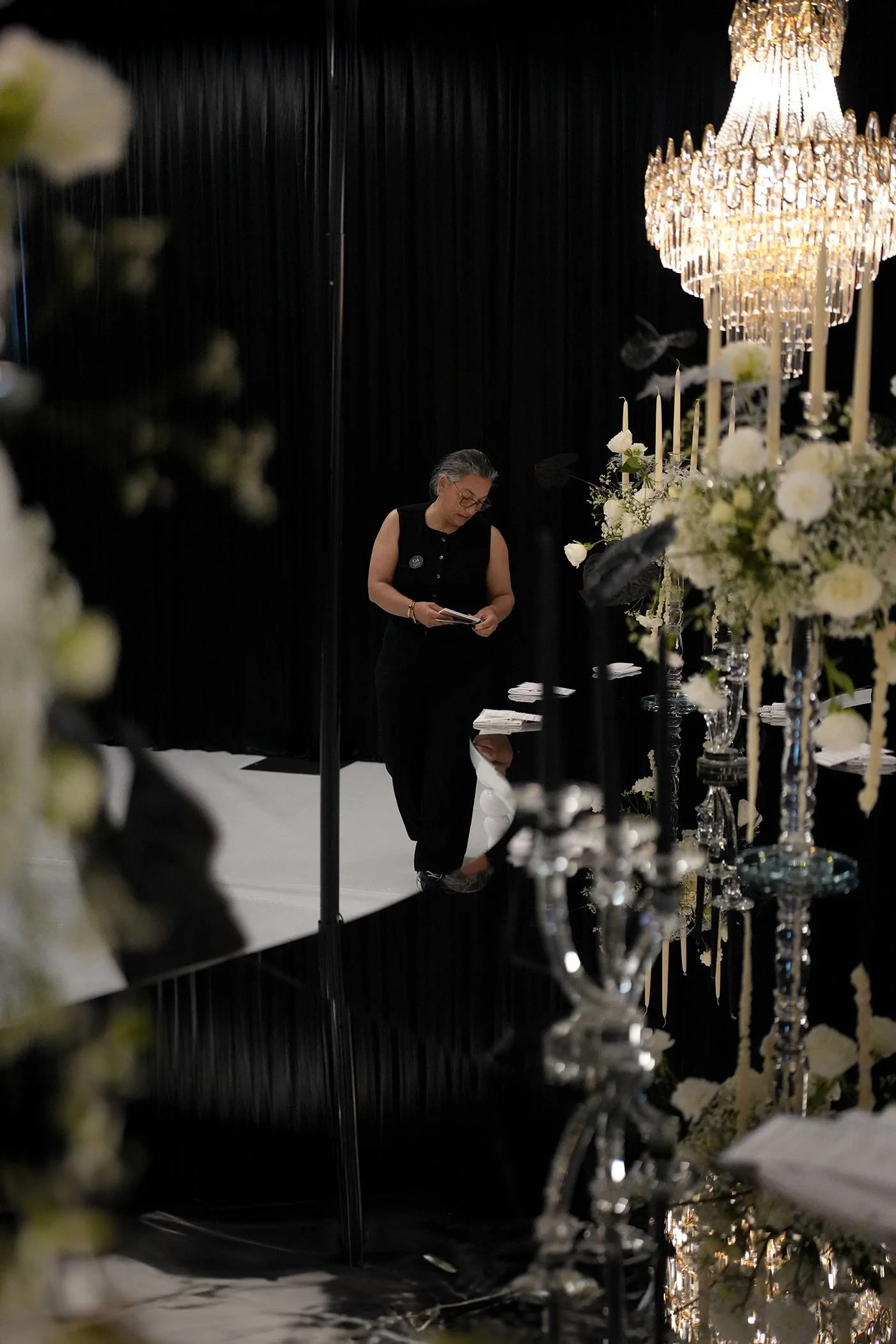
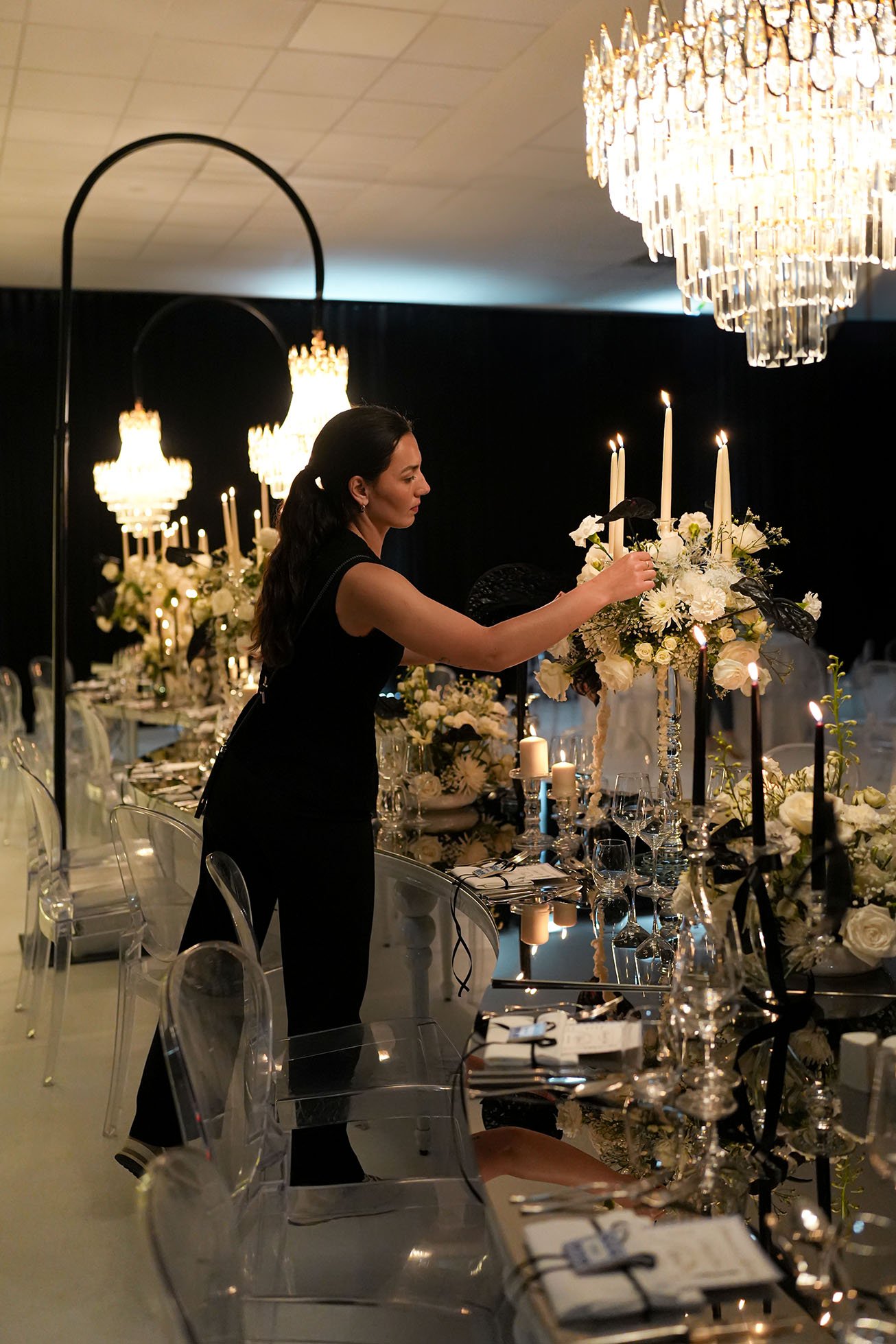
1. Immersive, Experience-Led Design
The biggest global shift is this: weddings are no longer events—they’re experiences.
Couples are designing spaces that feel transportive, where every element (lighting, layout, sound, scent, and styling) works together to create atmosphere.
This shows up through:
Multi-space venues that guide guests through different moments
Ceremony layouts that surround guests (circular or “in-the-round”)
Transitions that feel curated, not logistical
The focus is on how the wedding feels, not just how it looks.
2. “Less But Better” – Elevated Minimalism
Minimalism hasn’t disappeared—it has evolved.
In 2026, it’s about restraint with intention:
Fewer décor elements
Higher quality materials
Stronger visual impact
This “minimalist luxury” approach focuses on clean lines, spacing, and statement pieces rather than over-decoration.
Think: one incredible table instead of ten average ones.
3. Statement Lighting as the Core Design Element
Lighting has officially moved from supporting role to main feature.
Globally, designers are using:
Sculptural chandeliers
Layered candlelight
Architectural lighting installations
Lighting is now what defines mood, depth, and atmosphere across the entire event—not just an add-on.
In many cases, lighting is the décor.
4. Warm, Earthy & Layered Colour Palettes
Cool-toned neutrals and stark contrasts are fading. In their place, we’re seeing:
Warm whites and creams
Clay, terracotta, and sand tones
Olive, moss, and deep greens
Muted, tonal colour layering
This shift reflects a broader move toward grounded, natural aesthetics that feel calm, inviting, and timeless.
The palette is softer—but far more considered.
5. Texture Over Florals
Florals are no longer the sole focus of décor.
Instead, global trends are leaning into:
Linen, silk, and draped fabrics
Raw wood, stone, and ceramics
Layered materials that create depth
In many weddings, texture is now doing the visual work that flowers once did.
This results in spaces that feel richer, more tactile, and more editorial.
6. Sculptural & Artistic Styling
Weddings are increasingly influenced by art, fashion, and interiors.
We’re seeing:
Sculptural installations
Object-based centerpieces
Gallery-style layouts
Design is becoming more conceptual—less about symmetry, more about composition.
This aligns with the rise of “art gallery” wedding aesthetics and fine-art-inspired styling.
7. Chrome, Silver & Reflective Finishes
A notable global shift is the move away from warm metallics (like gold and brass) toward:
Silver
Chrome
Reflective surfaces
These finishes feel modern, fresh, and slightly futuristic—adding contrast to otherwise soft, natural palettes.
They also interact beautifully with lighting, enhancing the overall atmosphere.
8. Drapery & Soft Architecture
Fabric is becoming a structural design element.
Rather than just table linens, we’re seeing:
Ceiling draping
Fabric backdrops
Flowing installations that define space
Drapery adds movement, softness, and scale—transforming even simple venues into immersive environments.
9. Food as Décor
One of the most interesting global trends is the integration of food into design.
Think:
Fruit and vegetable installations
Bread and shared dining displays
Sculptural catering presentations
Food is no longer separate from décor—it’s part of the visual and emotional experience.
This is particularly strong in destination weddings, where local cuisine becomes part of the aesthetic story.
10. Personalisation Over Perfection
Perhaps the most defining trend of all:
Weddings are becoming deeply personal.
Couples are moving away from “what’s trending” and focusing on:
Meaningful details
Storytelling through design
Elements that reflect their identity
The result is weddings that feel less staged—and more real, layered, and emotionally connected.
11. The Rise of “Residential” & Lived-In Styling
Globally, there’s a shift toward weddings that feel like beautifully curated homes rather than formal events.
This includes:
Lounge areas with soft furnishings
Layered table settings
Spaces designed for comfort and connection
It’s elevated—but relaxed.
The Bottom Line
The global décor trends for 2026 (and beyond) are not about following a specific style—they’re about shifting the mindset around weddings entirely.
From aesthetics to atmosphere, from decoration to experience, the focus is now on creating something that feels intentional, immersive, and personal.
Because ultimately, the most impactful weddings in 2026 aren’t the most elaborate—
They’re the ones that feel something.
At CM Weddings & Events, we approach décor as part of a complete experience—where design, setting, and emotion come together seamlessly to create weddings that are not only beautiful, but unforgettable.